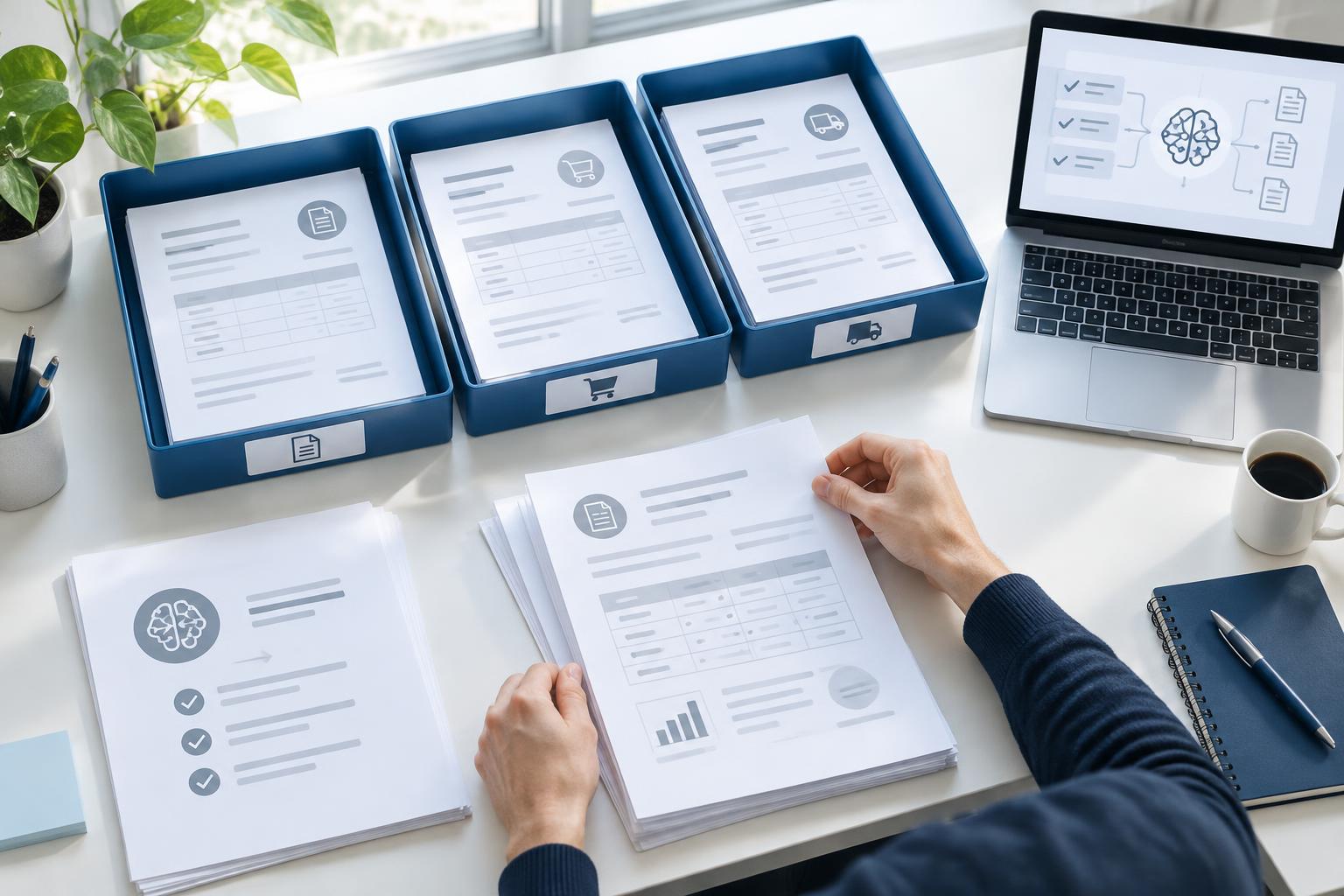


For decades, Optical Character Recognition (OCR) was the gold standard for digitizing paperwork. But for modern manufacturers and wholesalers dealing with non-standardized sales orders and complex supplier confirmations, OCR has become a bottleneck rather than a solution.
The Template Trap of Traditional OCR
Traditional OCR works by looking at coordinates. You tell the software that the 'Total Amount' is always in the bottom right corner, and the 'Order Number' is in the top left. This works perfectly until a customer changes their layout by one centimeter. Suddenly, the system fails, and your team is back to manual data entry.
For companies handling hundreds of different supplier formats, maintaining these templates becomes a full-time job. It shifts the manual labor from data entry to 'template management,' which doesn't actually scale your operations.
Why Generative AI is Different
Generative AI does not look at coordinates; it reads the document like a human does. It understands context. If a document says 'Ship to' followed by an address, the AI knows that is the delivery location regardless of where it appears on the page. This eliminates the need for rigid templates entirely.
In a B2B environment, this means you can onboard new customers or suppliers instantly. There is no 'warm-up' period or configuration phase for every new document layout that hits your inbox.
Handling Complexity Beyond Simple Text
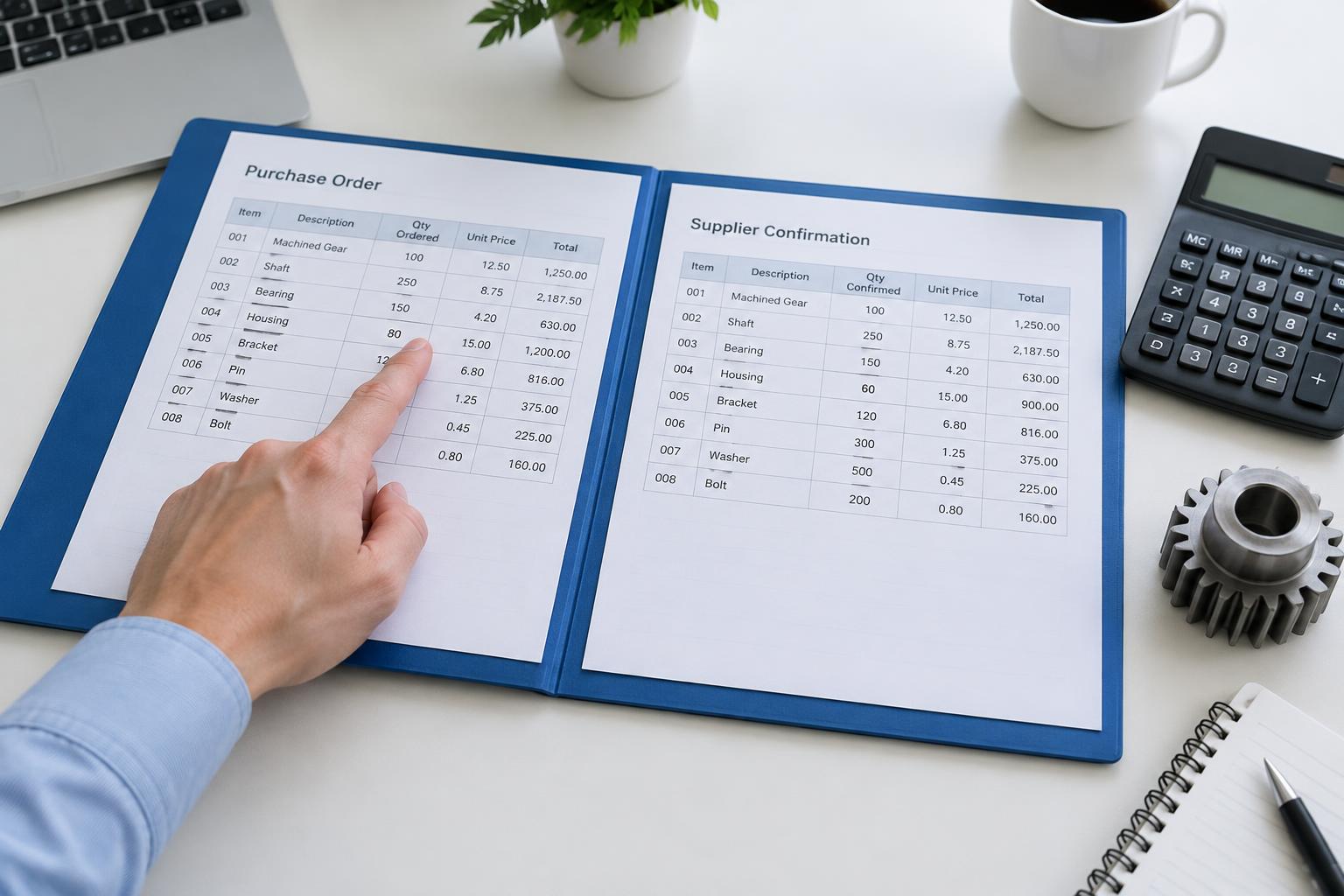
Orders and invoices are rarely just text. They contain tables, multi-line descriptions, and handwritten notes. OCR often struggles with nested tables or line items that span multiple pages. If the OCR misreads a '8' as a 'B', the entire downstream process breaks.
AI-driven systems use Large Language Models (LLMs) to cross-reference data. If the unit price and quantity don't match the total, the AI flags it. It understands the logic of business documents, not just the shapes of the letters.
| Aspect | Traditional OCR | ENTR (GenAI) |
|---|---|---|
| Setup Time | Weeks of template mapping | Instant (Zero-shot) |
| Layout Changes | System breaks immediately | Adapts automatically |
| Accuracy | 80-90% (Character based) | 95-99% (Context based) |
| Line Items | Difficult to map correctly | Deep understanding of tables |
| Maintenance | High (Constant tweaking) | Minimal to none |
The Shift from Extraction to Action
The goal of automation isn't just to get text into a system; it's to trigger an action. When an order comes in, it needs to be validated against your ERP data. OCR simply hands you the raw data. AI-powered platforms like ENTR can validate the extracted data against your master data in real-time.
This means if a customer uses a different part number than what is in your system, the AI can suggest the correct match based on historical data or descriptions, reducing the need for human intervention to near zero.
Scalability Without Headcount
Scaling a wholesale or logistics business usually requires hiring more back-office staff to handle the paperwork. With AI-driven capture, your capacity becomes elastic. Whether you process 1,000 or 10,000 orders a month, the overhead remains stable. Companies moving from OCR to GenAI often see 70-90% time savings in their administrative workflows.
Ultimately, the choice between OCR and AI comes down to how much manual correction you are willing to tolerate. If you want a system that learns and adapts, the legacy OCR model is no longer viable.