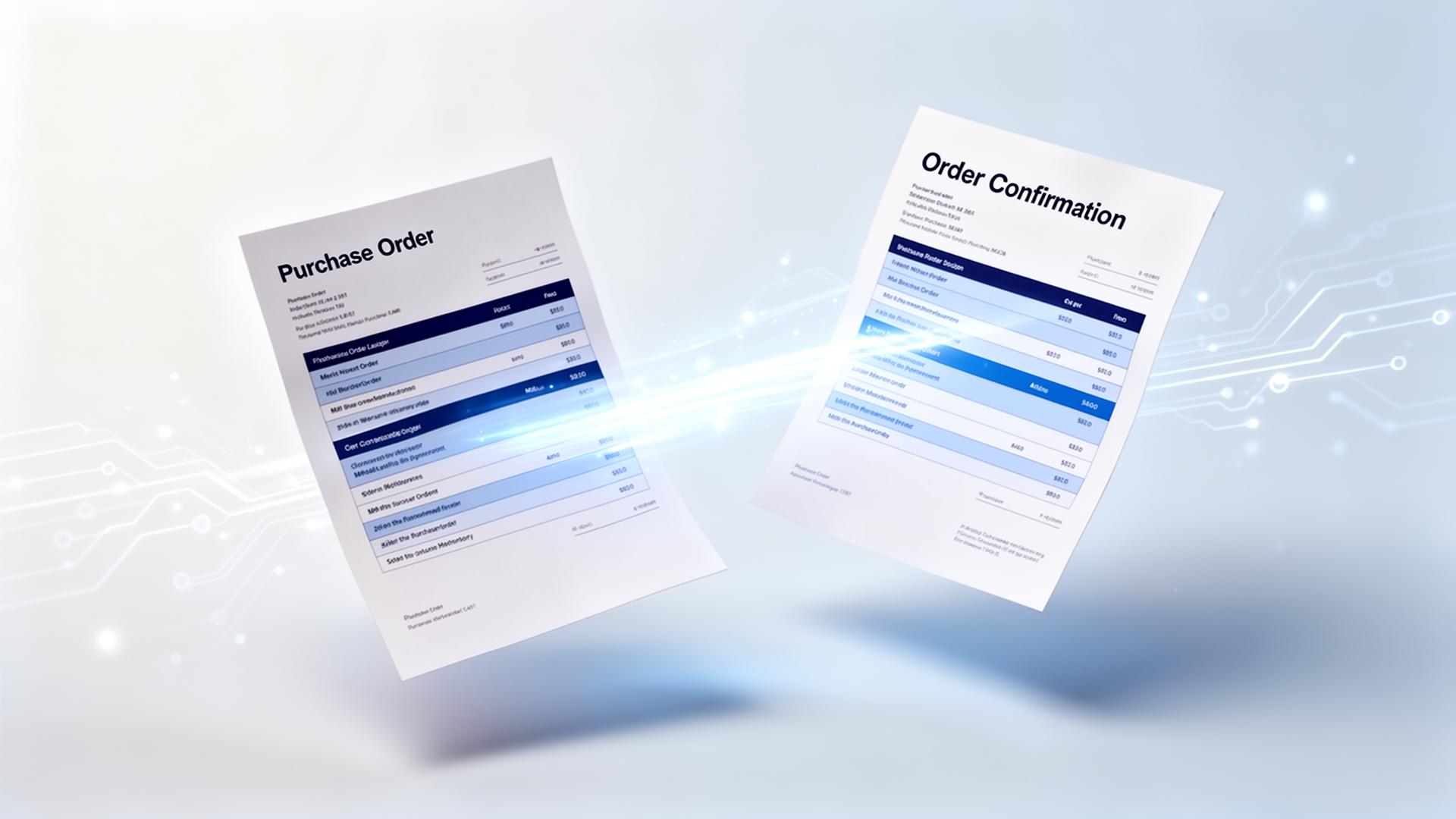

Manual data entry is the primary bottleneck in modern supply chains. While most companies have an ERP system to manage inventory, the process of getting customer orders into that system remains stuck in the era of copy-paste and manual validation.
The infrastructure gap in order processing
Most ERP systems are designed to be systems of record, not systems of intelligence. They excel at storing data once it is structured correctly, but they struggle with the messy reality of incoming PDF orders, varied Excel sheets, and non-standardized email requests. This creates an 'automation gap' where staff must spend hours daily translating customer documents into ERP-friendly formats.
How GenAI bridges the ERP divide
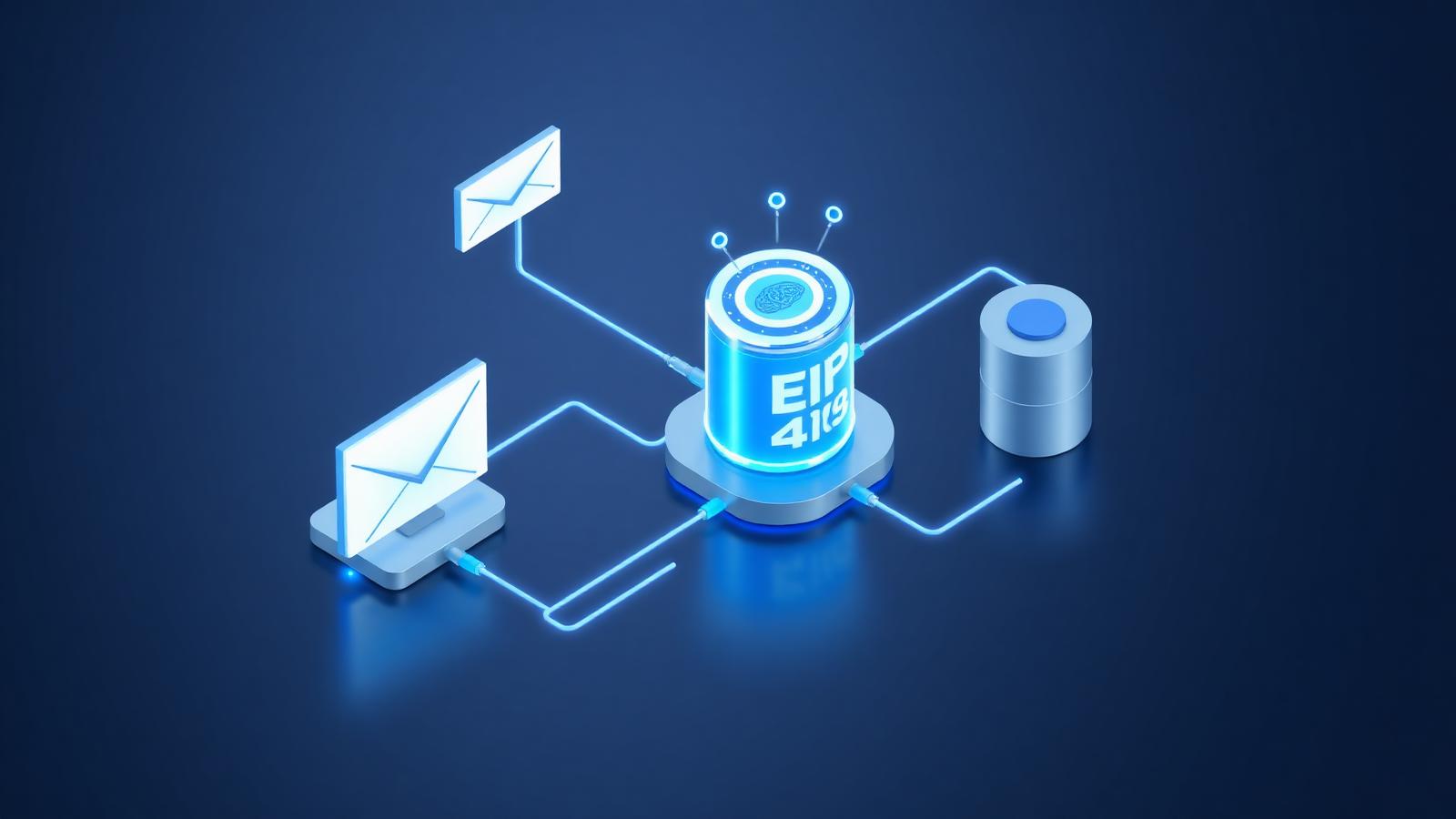
Traditional OCR (Optical Character Recognition) often fails when a customer changes a document layout or adds a handwritten note. Generative AI (GenAI) functions differently. It understands the context of an order—identifying part numbers, quantities, and delivery dates regardless of formatting. When integrated with an ERP, this intelligence allows for a touchless flow from the customer's inbox directly into your sales order module.
Real-time validation against master data
The real power of ERP integration for order automation lies in validation. A standalone tool only reads text; an integrated tool checks that text against your live database. It confirms that the SKU exists, the price matches the customer's specific contract, and the requested delivery date is feasible. If a discrepancy is found, the system flags it for review rather than creating a corrupted entry.
Reducing technical debt with API-first connectivity
Modern manufacturers and wholesalers are moving away from rigid, hard-coded integrations. By using an API-first approach, order automation software can connect to systems like SAP, Microsoft Dynamics, or AFAS without requiring months of custom development. This flexibility ensures that as your ERP evolves or scales, your order processing remains stable.
| Aspect | Manual / status quo | With ENTR |
|---|---|---|
| Data Accuracy | Prone to human typos and missed lines. | 99%+ accuracy with GenAI validation. |
| Processing Speed | 10-20 minutes per complex order. | Seconds from email to ERP. |
| Scalability | Requires hiring more staff as volume grows. | Handles 10x volume without extra headcount. |
| Master Data Check | Manual lookup in ERP price lists. | Automated cross-referencing in real-time. |
| Exception Handling | Hard to track where errors occurred. | Clear flagging of specific data mismatches. |
The impact on customer satisfaction
When orders are processed instantly, lead times shrink. Customers receive order confirmations within minutes instead of days. This responsiveness is a competitive advantage in wholesale and manufacturing, where reliability is often more important than price. By automating the 'boring' parts of the transaction, your sales team can focus on proactive relationship management rather than clerical tasks.
Building a future-proof order flow
Integrating GenAI with your ERP is not just about saving time; it is about creating a resilient operation. As labor markets tighten and customer expectations for speed increase, the ability to process documents autonomously becomes a core business necessity. Starting with order entry provides the fastest ROI, often saving 70-90% of the time previously spent on manual data handling.