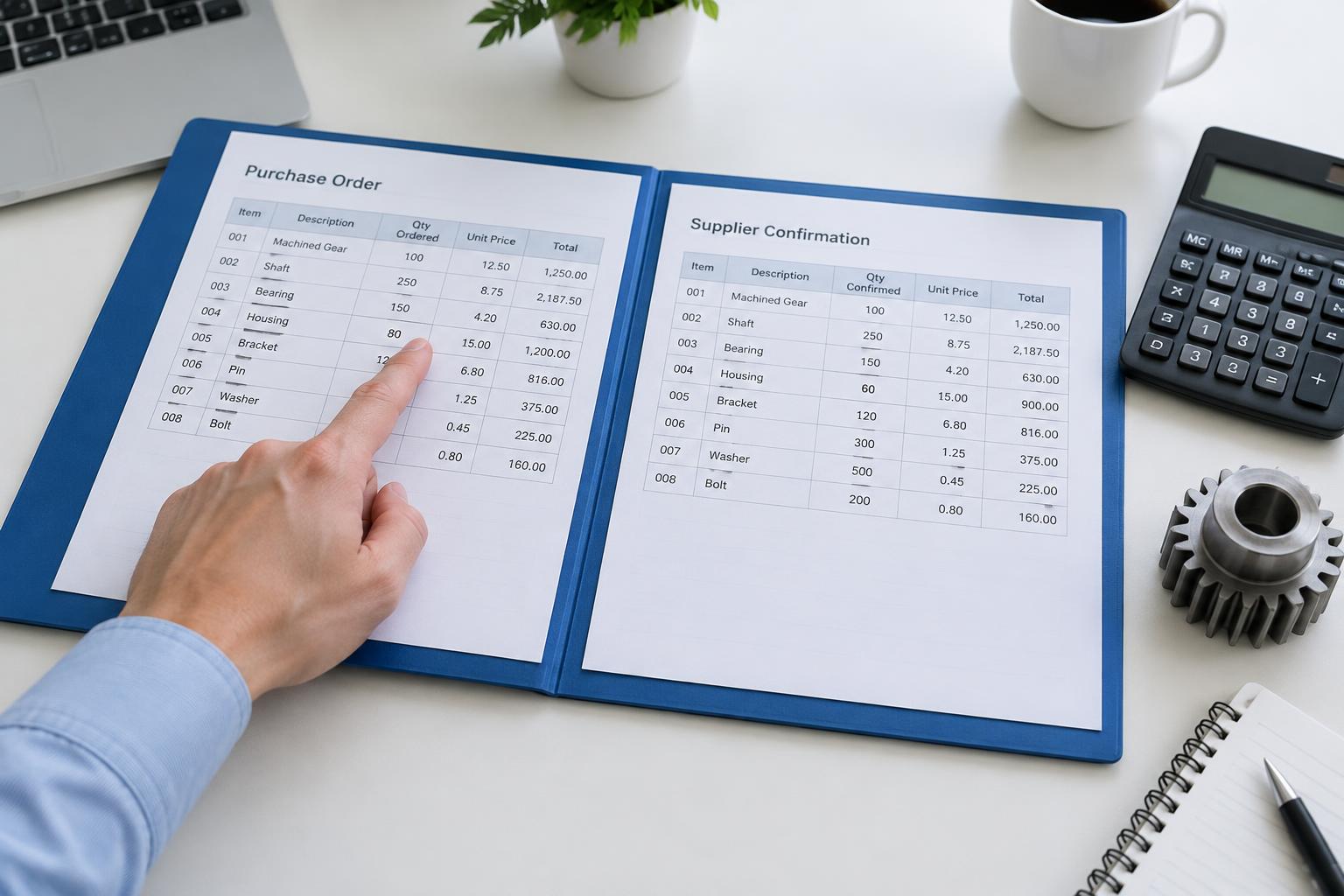

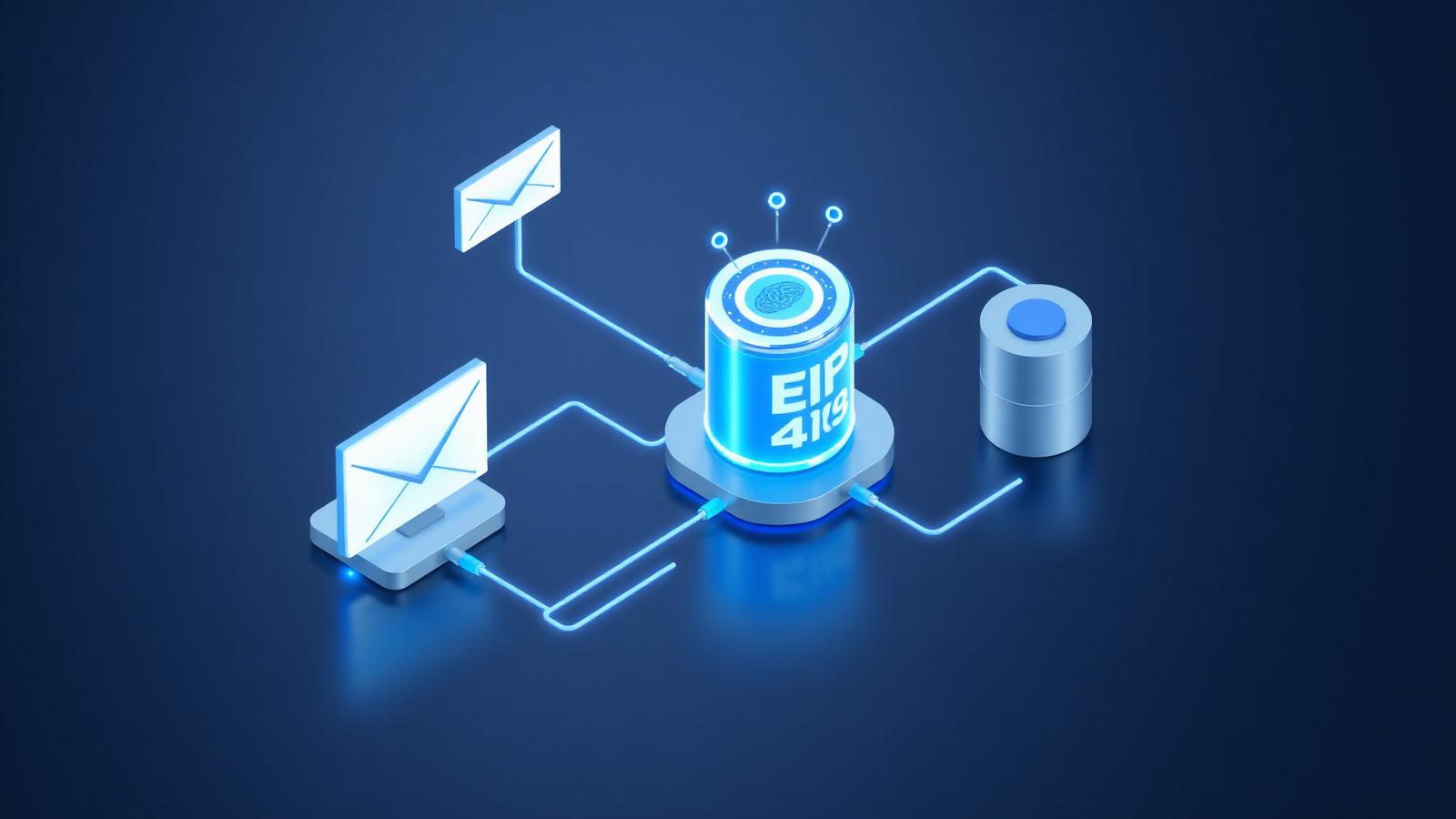
Most manufacturers and wholesalers struggle with the 'last mile' of ERP integration for order automation: the gap between a customer’s PDF and a structured sales order in SAP, Microsoft Dynamics, or AFAS.
The hidden cost of manual ERP entry
When a sales or operations team receives a purchase order via email, the data is trapped in a static document. Even with a modern ERP, someone usually has to manually type in SKU numbers, quantities, delivery dates, and prices. This process is not just slow; it is a bottleneck that prevents scaling. If your order volume doubles, your overhead doubles.
Why traditional OCR fails the integration test
For years, Optical Character Recognition (OCR) was the standard for order automation. However, OCR relies on templates. If a customer changes their document layout by one millimeter, the integration breaks. In B2B manufacturing and logistics, where every customer uses a different format, maintaining these templates becomes a full-time job for IT.
- Inflexibility: OCR cannot understand context, only coordinates.
- Data Validation: OCR doesn't check if a SKU exists in your ERP database.
- High Maintenance: Constant mapping is required for every new supplier or customer.
Bridging the gap with GenAI and API-first logic
Modern ERP integration for order automation uses Generative AI to read documents like a human would, but at machine speed. Instead of looking for a specific box on a page, the system identifies the "intent" of the data. It recognizes that 'Part #123-A' in a PDF corresponds to 'Product_SKU_123A' in your ERP, regardless of where it is printed on the page.
Ensuring data integrity before it hits your ERP
Automation is dangerous if it pushes garbage data into your system of record. Effective integration layers perform real-time lookups. When an order arrives, the system queries your ERP to validate prices against customer-specific contracts and checks current stock levels. If a discrepancy is found, the system flags it for human review instead of creating a faulty sales order.
| Aspect | Manual / status quo | With ENTR |
|---|---|---|
| Data Entry Speed | 3-10 minutes per order | Seconds per document |
| Accuracy | Human error prone (typos) | 99%+ with automated validation |
| ERP Sync | Manual re-typing | Direct API integration |
| Scalability | Requires more staff to grow | Handles 10x volume without hiring |
| Handling Deviations | Manual price checking | Automated contract matching |
Reducing the workload by 70-90%
By removing the manual mapping and data entry phases, companies often see a 70-90% reduction in the time spent on order processing. This allows sales teams to focus on customer relationships rather than administrative data entry. The ERP finally becomes the automated engine it was intended to be, rather than a glorified digital filing cabinet.
Successful ERP integration for order automation requires moving beyond simple text recognition. By utilizing GenAI to handle the variability of B2B documents, manufacturers and wholesalers can achieve a touchless order flow that is both scalable and accurate.