
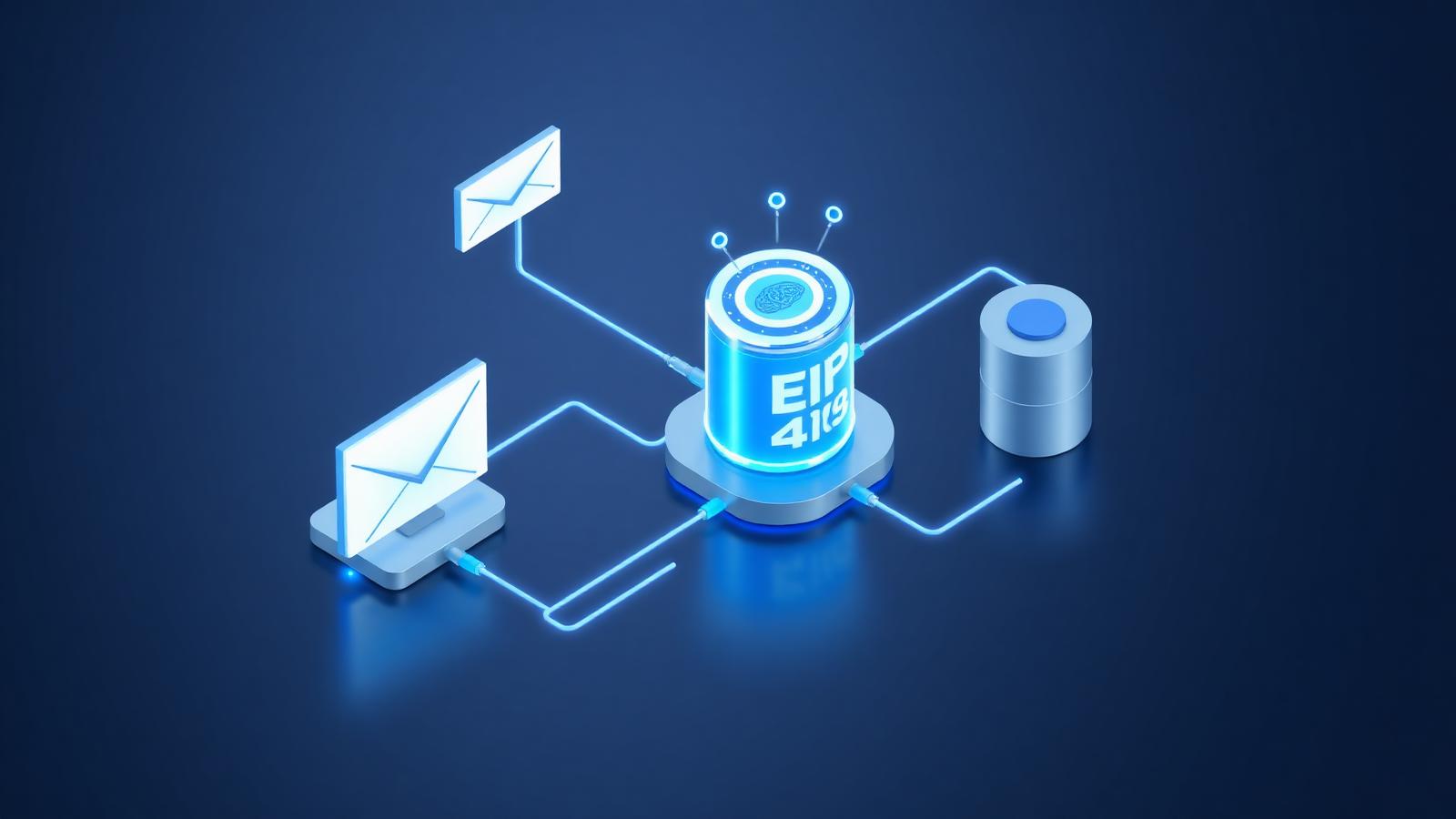
Short answer: you do not need a modern API. AI document processing can deliver data to an older ERP through file import (CSV or XML), a hot folder, a staging table in the database or the import function the ERP already has. The AI reads and validates, the ERP keeps doing what it does. With ENTR such a link is usually live within 4 to 6 weeks.
Why companies fear the ERP link
Many manufacturers and wholesalers run on an ERP that has been customised for years: Exact Globe, MKG, an AS400 environment or a custom build. The fear is that automation means opening up or replacing that system. In practice that is rarely necessary.
Four ways to get data into an older ERP
1. File import via CSV or XML
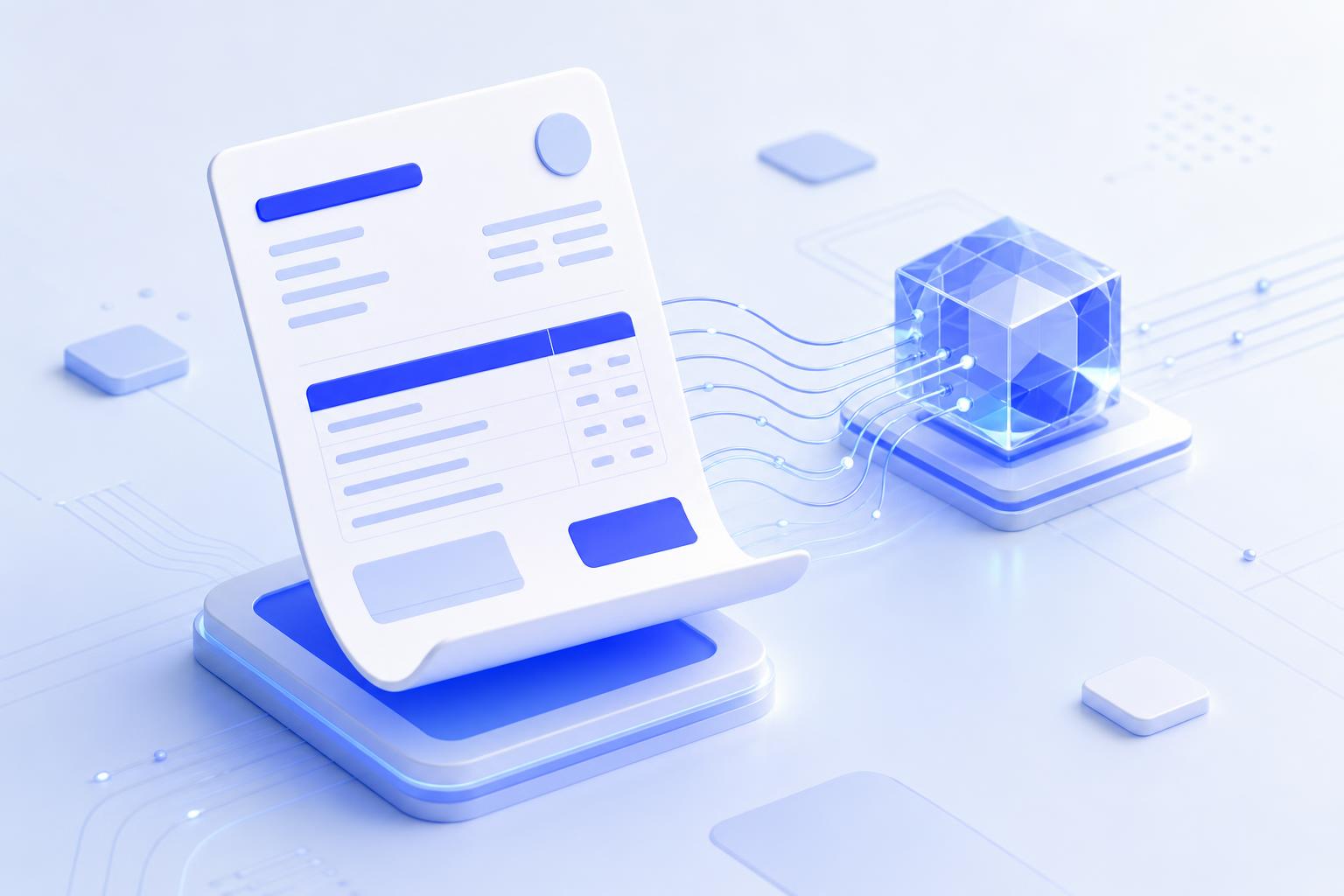
Almost every ERP can import orders or invoices from a file. The AI platform writes a file in exactly the format the ERP expects, and the ERP picks it up.
2. Hot folder
A shared folder that the ERP checks at fixed intervals. Simple, robust and easy for IT to monitor.
3. Staging table
The data lands in a separate table next to the ERP database. The ERP or a small script processes it. Your production tables are never touched directly.
4. Existing connector or web service
If the ERP has an old SOAP service or a vendor connector, it can be reused. No new development on the ERP side.
| Aspect | Replace or rebuild ERP | Connect ENTR to existing ERP |
|---|---|---|
| Lead time | Often a year or more | Typically 4 to 6 weeks |
| Risk to daily operations | High during migration | Low, ERP stays the same |
| Work for internal IT | Large project | Agree on import format and access |
| Validation before import | Depends on new system | Checks on prices, items and quantities first |
| Rollback | Difficult | Switch off the import, ERP keeps working |
Why validation before import matters most
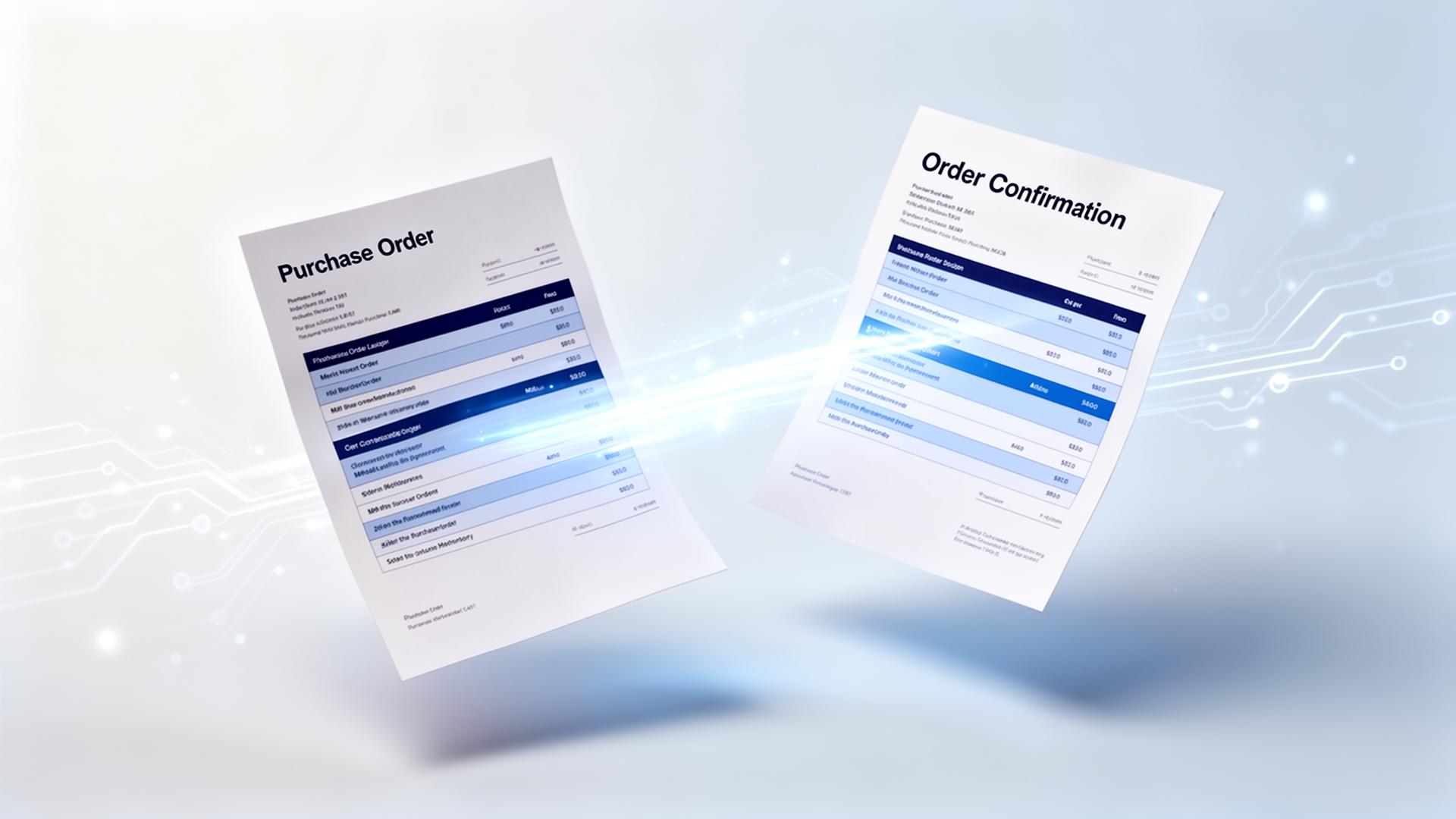
The real risk is not the connection but wrong data in the ERP. ENTR therefore checks every document against your item master, price lists and open orders before anything is written. Deviations are shown to a person in a review screen, and only approved data goes through.
The 70/30 approach
About 70 percent of the work is done by the platform: reading, matching and validating. The remaining 30 percent is implementation: the link with your mailbox and ERP, a period of running in parallel with the current process and training the team. That is why ENTR combines a platform with hands-on implementation.
Conclusion
An older ERP is not a reason to wait with AI. Choose a partner that adapts to your import options, validates before writing and runs in parallel first, so your ERP stays the reliable core it has always been.