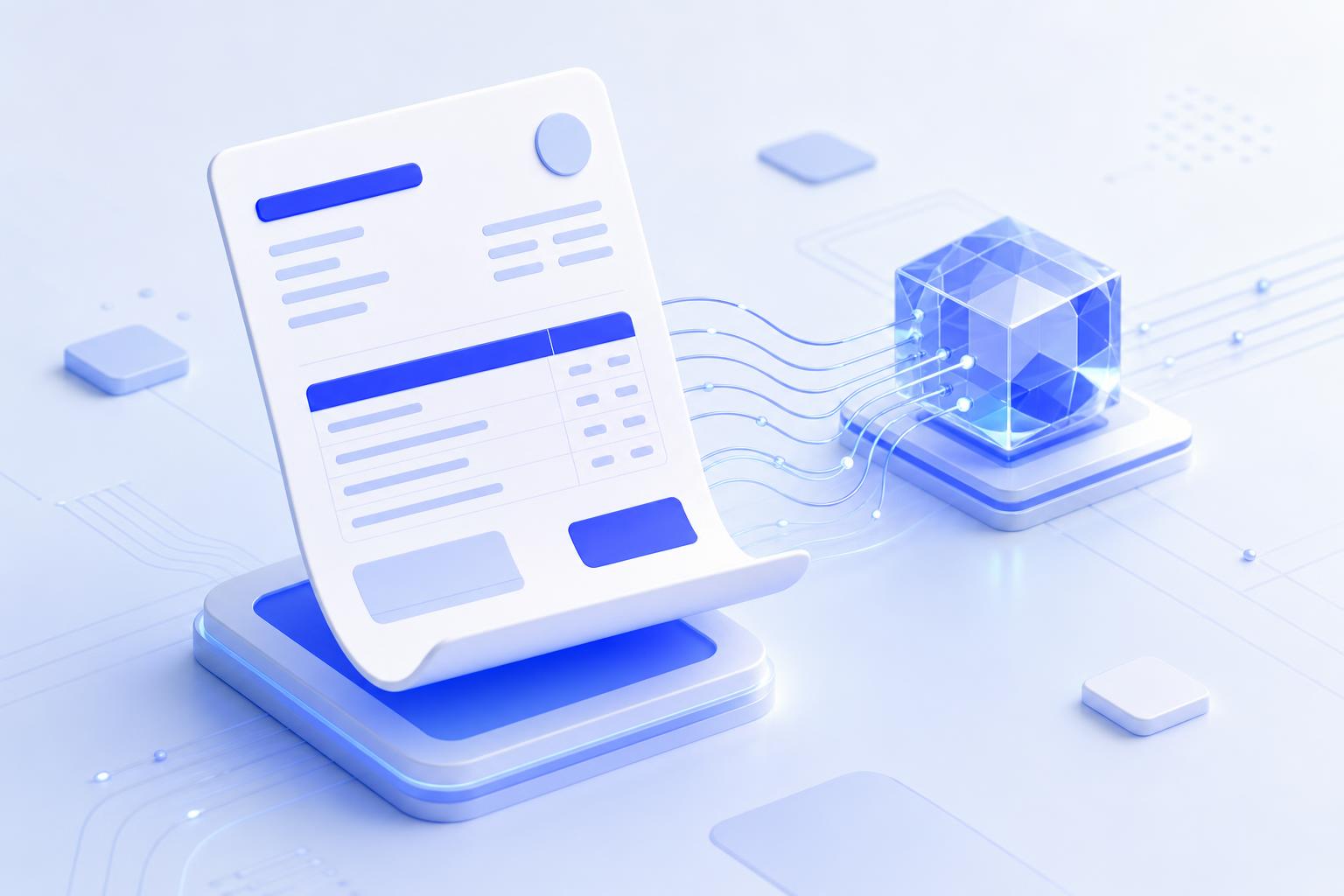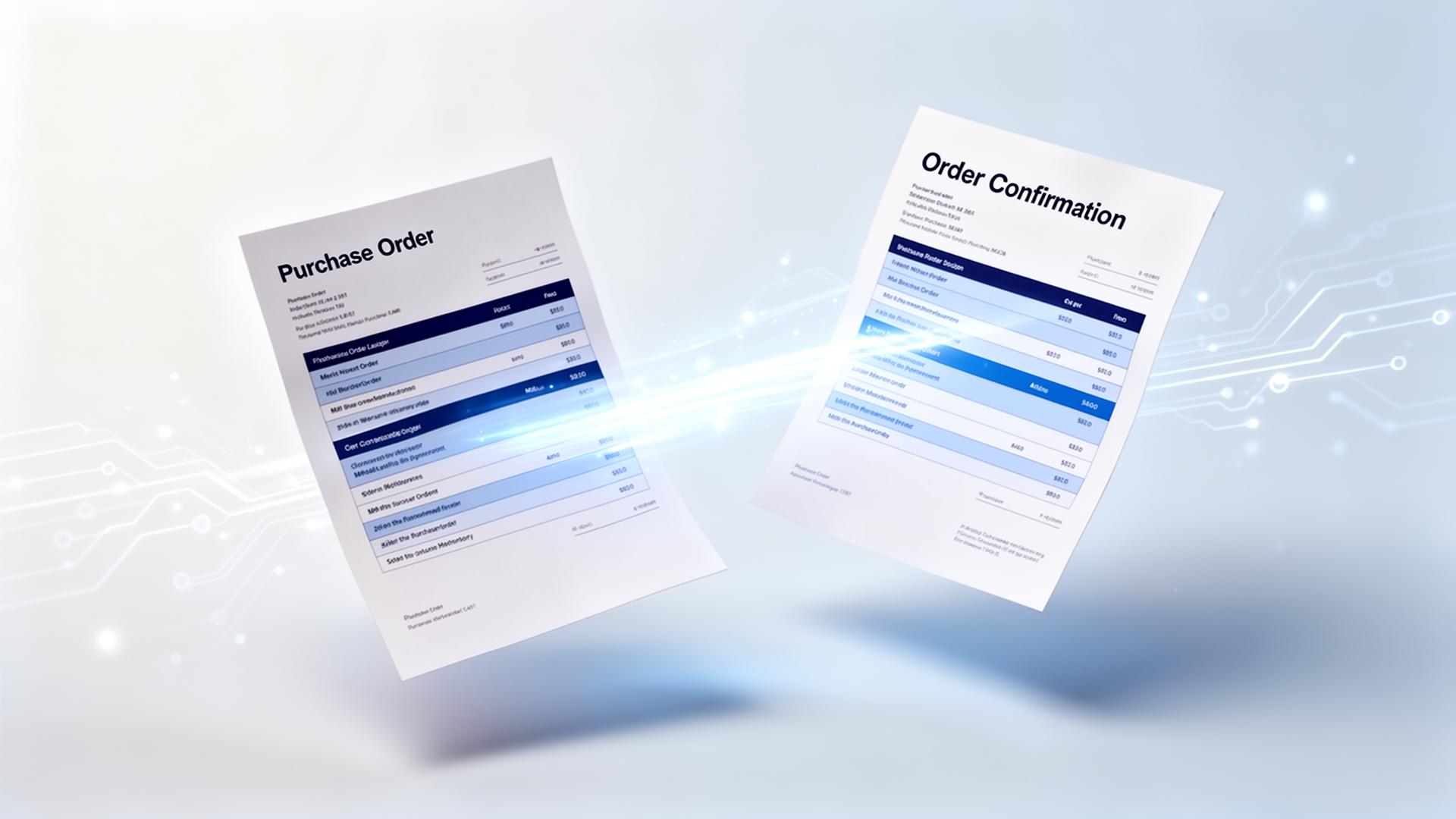

Manufacturing operations often stall at the front office. While production lines are optimized, the process of translating customer purchase orders into ERP systems remains manual, error-prone, and slow. Intelligent Document Processing (IDP) changes this by using GenAI to handle the complexity of industrial orders without manual intervention.
The Bottleneck of Manual Order Handling
In manufacturing, a single purchase order can contain dozens of line items, custom configurations, and specific delivery requirements. When a sales coordinator manually types these into an ERP like SAP, Microsoft Dynamics, or Exact, they become a human bottleneck. This manual step introduces risks: a single typo in a part number can lead to a wrong production run, wasted materials, and dissatisfied customers.
Traditional OCR (Optical Character Recognition) often fails here because it relies on rigid templates. If a customer changes their layout or adds a handwritten note, the system breaks. IDP, powered by Large Language Models, understands the context of the document rather than just the coordinates of the text.
How GenAI-Powered IDP Handles Complexity
Unlike basic automation, modern IDP solutions for manufacturing are designed to handle non-standardized documents. They don't just 'read' text; they interpret it. This is crucial for manufacturers dealing with diverse international clients who all use different document formats.
- Line Item Matching: Automatically matching customer part numbers to internal SKU codes.
- Unit Conversion: Recognizing when a customer orders in 'boxes' while the system tracks 'units'.
- Validation: Cross-referencing prices and quantities against existing contracts or quotes.
Reducing Lead Times and Overhead
The primary goal of implementing IDP is not just replacing a task, but accelerating the entire quote-to-cash cycle. When an order is processed in seconds rather than hours, the production schedule can be finalized sooner. This efficiency directly impacts the bottom line by reducing the administrative overhead per order.
Furthermore, it frees up skilled staff. Instead of data entry, sales teams can focus on customer relationships and technical support, tasks that actually require human expertise and judgment.
| Aspect | Manual / status quo | With ENTR |
|---|---|---|
| Processing Speed | 10-20 minutes per order | Under 30 seconds |
| Data Accuracy | Human error risk (3-5%) | 99%+ with GenAI validation |
| Complexity Handling | Hard for humans to track items | Scales to 100+ line items easily |
| ERP Integration | Manual re-typing | Direct automated sync |
| Scalability | Requires hiring more staff | Handles volume spikes instantly |
Implementation Without IT Overhaul
A common misconception is that automating order entry requires a complete overhaul of existing systems. Modern IDP platforms sit on top of your current stack. They act as a bridge between incoming emails or PDFs and your ERP. This means manufacturers can achieve 70-90% time savings without a multi-year digital transformation project.
By focusing on the document-heavy touchpoints in the supply chain, manufacturers can build a more resilient operation that is less vulnerable to labor shortages and more capable of handling rapid growth.